
I am adamantly opposed to the conception of grind culture. I swear to god, if you 💯💯💯 me, I will consider it a hate crime, and will report you to my local self-governance group for a reparative harm process. This isn’t to say that I do not understand that work is often required of us all. I am, quite famously, a bitch with five jobs, after all. My point is more that glamorizing having a side hustle – or side hustles – and positing that said side hustles can lead you from financial precarity is dubious at best and problematic at worst.
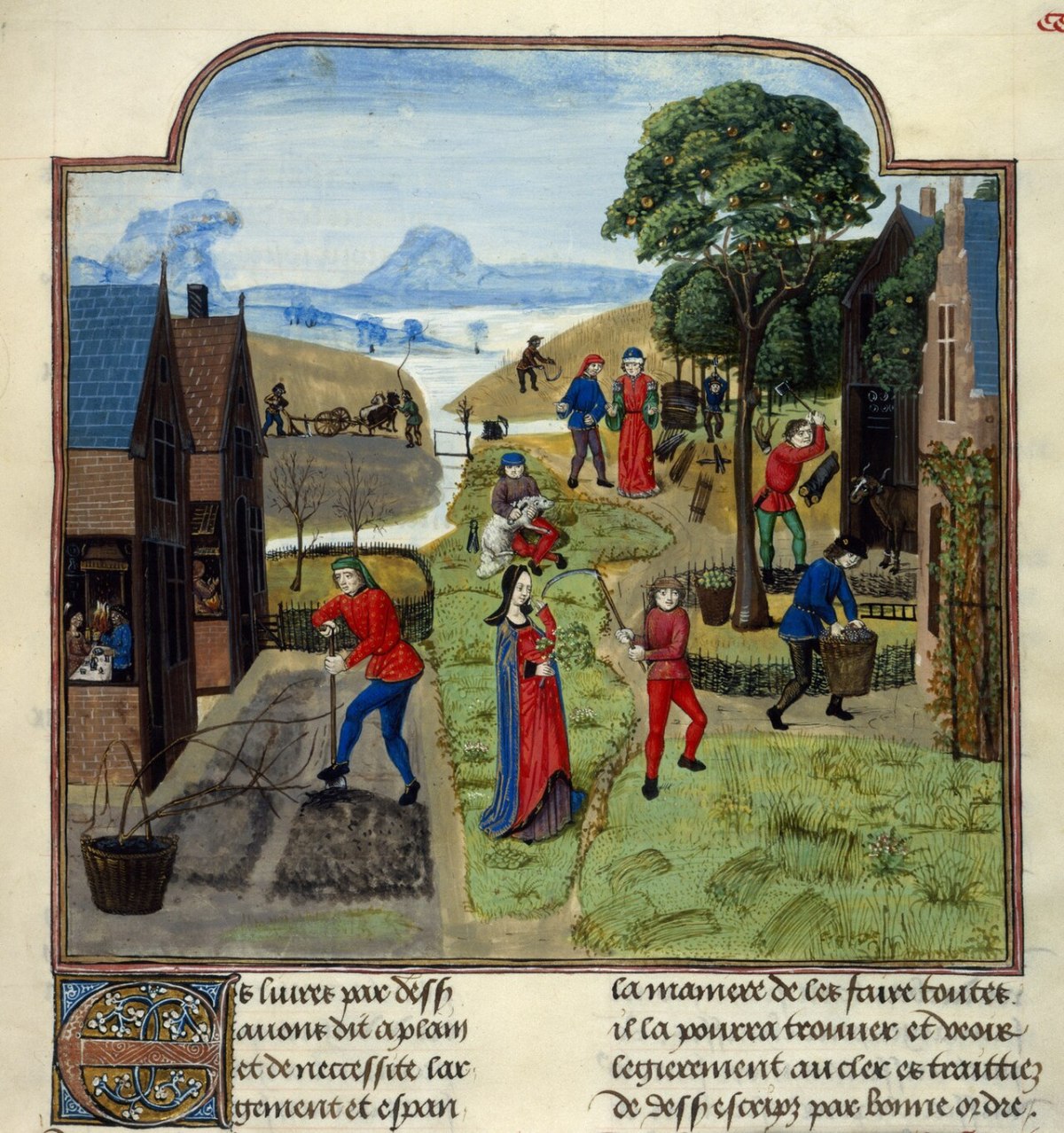
I say this because, very sadly, the side hustle is not in any way shape or form a new invention. All ones needs to do is check out the middle ages for an absolute treasure trove of people who were working several many jobs. It didn’t really change their lives. Allow me to explain.
Let’s take for example one of the most common of side hustles across the medieval period: brewing. Brewing was super popular because, well, people both wanted and needed rather a lot of ale. This is emphatically not because of that old myth that all water was polluted and only ale was safe to drink. It actually was because ale is really really good, and also when you are doing manual labour all day, you want to be ingesting calories with your drinks as well. So small ale was kind of like the sports drink of its day, and peasants wanted and needed a lot of it. Further, you had to be making it all the time because it also goes off quickly. Adding hops to ale to make beer, which has a longer shelf life, was a late medieval invention. So for the great majority of that thousand year period of history people had to get to brewing ever few days to keep ale in the house and a lot of them did!
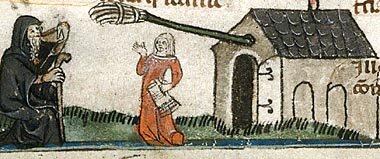
We have great documentation on who was brewing and when because there were a lot of standards for brewing. In England, for example, the thirteenth century saw the introduction of the Assize of Bread and Ale which established how much someone could charge for either product.[1] This meant that people were soon also licensed to brew and bake for commercial purposes, and they appear on court rolls when they received permission. As Henrietta Leyser points out these court rolls show us that “[m]any brewsters …brewed only intermittently, depending on financial need and their other occupations”.[2] So if you were a peasant and needed quick cash you could focus up and crack out a few more batches of ale for sale. But probably that’s not going to be possible at times, like during the harvest, when you needed all local hands out in the fields.
However, we know the most about brewing as a side hustle when people were actually really really bad at it. One such couple were the Shepherds from Alrewas in Staffordshire who Graham notes got called in and fined repeatedly for making bad ale.[3] You can tell that they were doing this as a side hustle because the hint is sorta in the last name. Their main hustle was sheep. This is probably just as well because it seems like they, (and indeed, as Graham showed more likely Mrs. Shepherd) were not particularly great at the whole brewing process. Look you gotta start somewhere. Fake it til you make it, kids!
In contrast, those who did get good at the process might end up expanding their whole operation, as William and Juliana Greenstreet did in Sussex. We know about them because they eventually managed to buy a couple of houses from a certain Richard Crane for £3. The second building was set up as a special brewhouse for Juliana.[4] You know, cuz the reward for being good at a particular line of work is usually just more work.
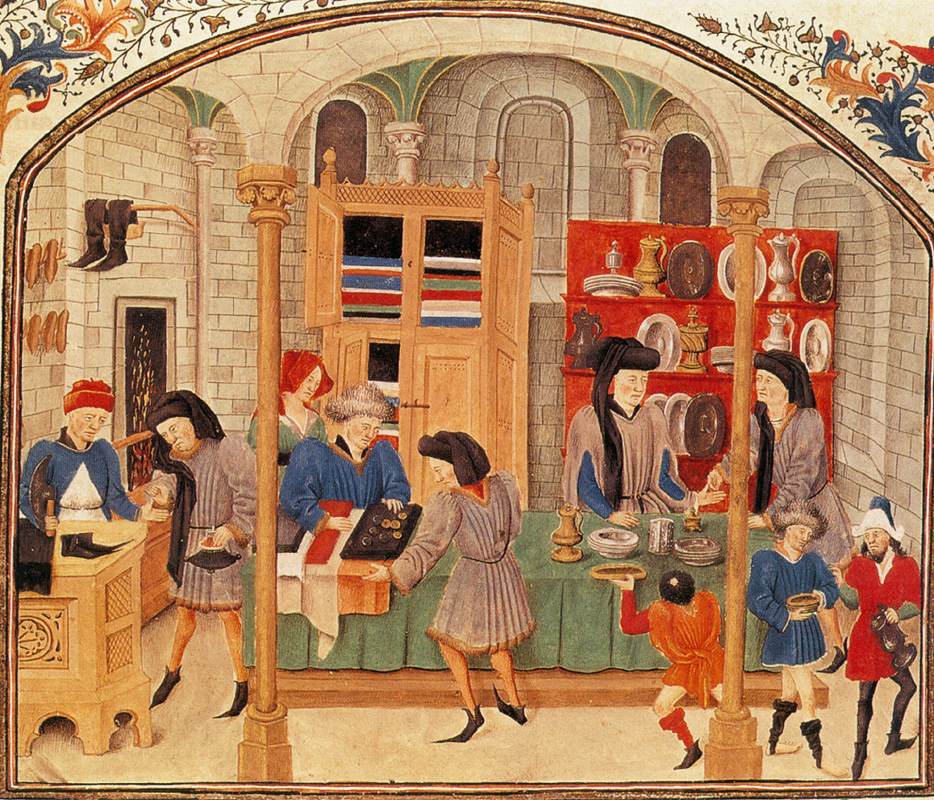
But the side hustle was not just something for the country folk. Living in cities is expensive and the high-fallutin’ merchants and trades people there were always looking for new ways to make more money. These were usually very specifically financial service side hustles. A couple of wine merchants, the Fynckes did this at a pretty high level, at one point lending some 81 guilders to the city of Zwickau, and leaving us a pretty hilarious receipt about it when it was paid back. To whit, “I, the aforementioned Elisabeth Fyncke, declare the aforementioned one and eighty guilders to have been settled by the aforementioned mayor and town council of Zwickau and all their successors, in my own name and that of my absent husband, the aforementioned Heintz Fyncke and al our successors. So we are quits once and for all.”[5]
If you are enjoying this post, why not support the blog by subscribing to the Patreon, from as little as £ 1 per month? It keeps the blog going, and you also get extra content. If not, that is chill too.
This whole money lending thing was kinda dangerous though. If the Fynckes got their money back handily, other people had to chase for it, especially when they lent to people much higher above them. Rose of Burford, a fifteenth-century wholesale wool merchant based in London, had to do just that after her husband lent a considerable sum of money to the crown. After her husband up and died on her, she is found in treasury records petitioning the royals repeatedly to pay back her husband’s loan, while still running a very successful wool exportation business. This didn’t work out for her, apparently, and she ended up throwing her hands up and instead asking that the crown just subtract the amount owed from her own taxes on her wool business.[6]
So, as you can see, royals have always been terrible people who are mostly just good at stealing money.
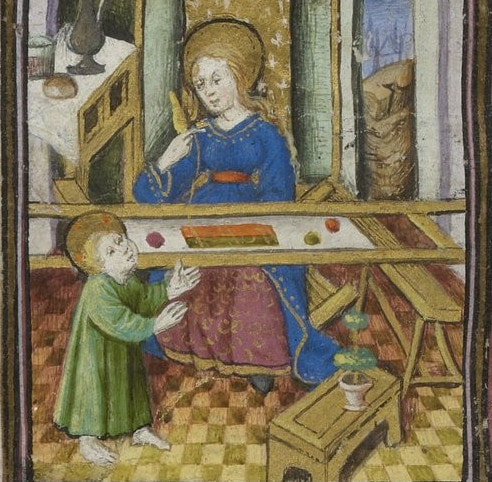
We also see very skilled artsy side hustles crop up here and there in the merchant class. If you were super good at embroidery, for example, you could make a fair packet. We have records, for example of “Rose, the wife of John de Bureford, citizen and merchant of London, for an embroidered cope for the choir, lately purchased from her to make a present to the Lord High Pontiff from the Queen.”[7] (Please note that this Rose de Burford lived over a century before the wool merchant Rose of Burford. There were just only like five names you could have in England in the medieval period, and they get recycled, I guess.)
At any rate, Rose de Bureford’s case is an interesting one because it’s hard to say whether she is doing embroidery as a side hustle to being the wife of a merchant – where she would undoubtedly be running ol’ John’s books and assisting him with whatever else he might need, as was expected of any wife – OR if she considered herself an embroiderer, who did her husband’s books as a side hustle. Either way, the point is homegirl seems pretty busy? And also talented.
I like looking at side hustles like these because I can be a nerd and ask silly questions about identity like that. Also it shows us that humans have always contained a myriad of talents and were always able to think about and perform a bunch of different rolls. We’re cool little guys! And I like that!
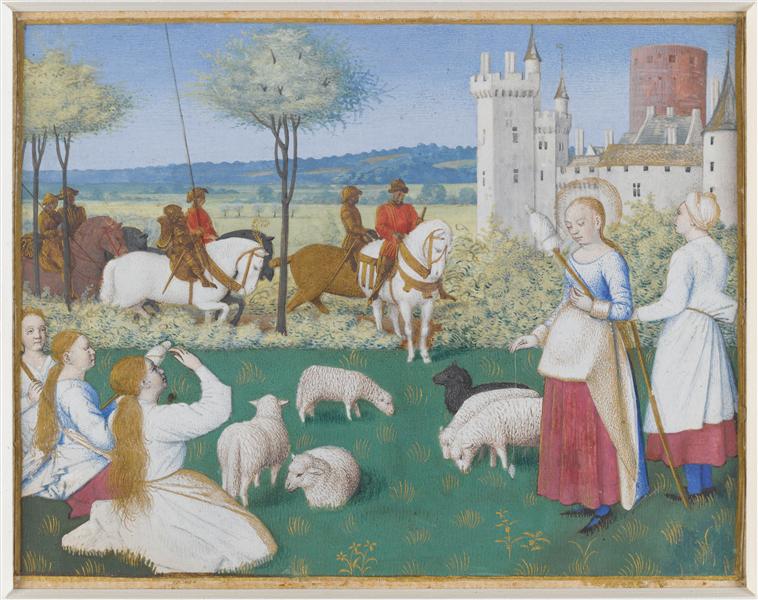
It’s nice to see that people are able to do multiple things but, and this is crucial, this does not mean it changed their lives particularly significantly. It’s very cool seeing enterprising peasants come up with ways of supplementing their agrarian work. I have a soft spot for brewers in particular, because yay ale. I get the full they’re just like me for real experience when I see them saying, “you know what? I am going to put more time into this because I make damn good ale and people seem to like it.” That’s a net good for everyone. The brewer gets some more cash, and everyone gets to have a nice ale, and maybe a social time at the brewer’s house after work. Delightful stuff.
Even so, you’re still a peasant, which there is nothing wrong with per se, but you are likely unfree. Further, even if you get really amazing at brewing it’s not like you can then jettison your farming responsibilities in order to focus entirely on the brewing. You’ll still owe labour taxes. You still need to keep your lands ticking over. Even if you make so so so so much money that you are able to hire people in to do all of that for you, you are still a peasant, and likely unfree. That’s why we see so many brewers only engaging in the trade from time to time. This doesn’t change your social conditions, though it may change your material ones.
If you are a merchant who has got into the money lending side hustle, you were able to do so because you had the money to lend, which is great. However, it’s not going to mean you scrap your way into the nobility. In fact, the reason we know about a lot of these money lenders is that we have their correspondence begging the nobles and royals who owe them money to actually pay them back. This is indicative of the in-built power imbalance which they are unable to overcome. You can lend money to the king, sure, but you are reliant on his magnanimity to actually get that cash back. This is a closed system in which those at the top police who is considered their equal.

This is the important part here. Now you may say to me, “Sure Eleanor, but those are medieval people, we live in a society which has upward mobility now! One can simply pull themselves up by their bootstraps and #grind their way out of their social circumstances.”
To that I say, well no. First of all, the phrase “pull yourself up by your bootstraps” was made specifically to show the impossibility of doing so, so jot that down. Secondly, you are never going to side hustle your way into being a billionaire – our new ruling class. Billionaires are not made from the talent and work of the billionaires in question. You become a billionaire by withholding money and wages from the people doing the actual work. Much in the way that medieval lords simply took the money and labour of the people enserfed under them. Unless you make enough money off your side hustle to have an army of exploited workers below you, you’re not going much of anywhere.
This isn’t to say you can’t become slightly more comfortable. You can. If you couldn’t then I wouldn’t be working quite so many jobs. However, I am under no illusions that I will be wealthy someday if I work more. Indeed, all this work usually comes with a payoff – I can work in incredibly intensive bursts for a while, but too much and I become ill, losing weeks of time where I am unable to work. That’s normal. Because I am a human.
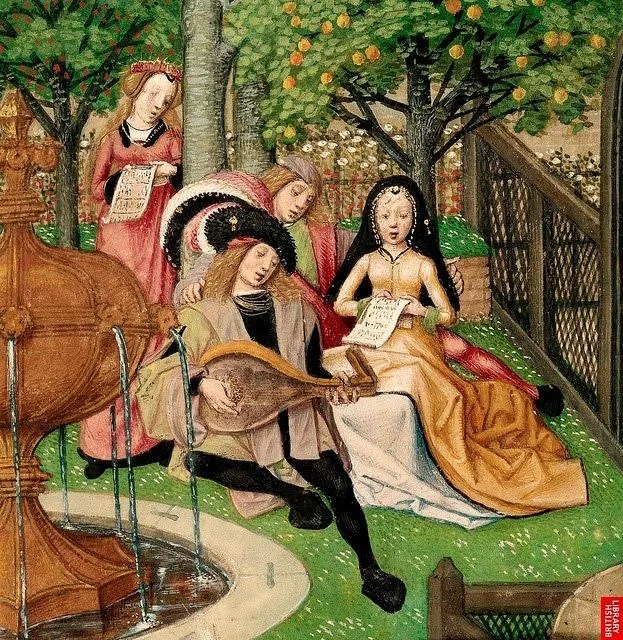
I don’t want to put you off your side hustle. If you genuinely want, for example, to start brewing and selling beer on the side I think that’s nice. Hell, it’s true that you might get so good that this eventually becomes your main hustle, and that might be nice! But I think it’s important to note in those circumstances that the work is still work if you are doing it to pay the bills. The danger of turning something you love into something you make money with is that you won’t love it quite so much when you have to do it. That’s an important thing to factor in when you make a decision about whether to monetise something you enjoy.
If you consider that, think you won’t get too burnt out, and want to give it a go in an informed way I think that’s lovely. I just don’t want us to go around thinking that we, somehow, are in the circumstances we are because we didn’t work hard enough. It’s not true and it never was, and you are valuable regardless of whether every moment of your life is dedicated to the pursuit of money. I promise.
[1] Luders, ed., The Statutes of the Realm: Printed by Command of His Majesty King George the Third, in Pursuance of an Address of the House of Commons of Great Britain, From Original Records and Authentic Manuscripts, 11 vols., (London: Record Commission, 1810-1828), Vol. I, pp. 199-200. < https://origin-rh.web.fordham.edu/Halsall/source/breadbeer.asp> Accessed 27 September 2024.
[2] Henrietta Leyser, Medieval Women: A Social History of Women in England 450-1500, (London: Weidenfeld and Nicolson, 1995), p. 146.
[3] H. Graham, “’A Woman’s Work’… Labour and gender in the Late Medieval Countryside”, in P.J.P Goldberg (ed.) Woman is a Worthy Wight, Women in English Society C. 1200-1500, (Phoenix Mill: Alan Sutton, 1992), p. 141.
[4] Leyser, Medieval Women, pp. 145-146.
[5] Quoted in, Erika Uitz, Women in the Medieval Town, (London: Barrie and Jenkins, 1988), p. 42
[6] Ibid., p. 40.
[7] Charles Henry Hartshorne, “English Medieval Embroidery”, Archaeological Journal, (1844) 1:1, 322.
For more on work, how it is often bad, and what happens as a result, see:
On beer, or, why chicks rock
On finding inspiration for change
On leisure in August
Support the blog by subscribing to the Patreon, from as little as £ 1 per month! It’s the cool thing to do!
My book, The Once And Future Sex: Going Medieval on Women’s Roles in Society, is out now.

© Eleanor Janega, 2025

 Going Medieval